


World Osteoporosis Day: Building Stronger Bones for a Healthier Future
Every year on October 20, World Osteoporosis Day shines a spotlight on a condition that often develops silently but can have a lasting impact on a person's mobility, independence, and quality of life. Osteoporosis weakens bones, making them more fragile and susceptible to fractures, sometimes following a minor fall or an injury that might otherwise seem harmless.
For parents and families, understanding bone health is an important step towards protecting not only their own long-term well-being but also the health of the next generation. With early awareness, appropriate screening, good nutrition, and regular physical activity, many of the risks associated with osteoporosis can be addressed.
Dr. Theenesh Theyvan, Consultant Orthopaedic, Trauma, Foot & Ankle, Robotic Surgeon, highlights the importance of recognising bone health as a lifelong priority rather than a concern reserved for older adults.
“Bone health deserves attention at every stage of life. Understanding the risk factors for osteoporosis, recognising warning signs, and seeking timely medical assessment can help individuals make informed decisions about protecting their bones and maintaining their mobility,” Dr. Theenesh said.
Understanding Osteoporosis: The Silent Bone Disease
Osteoporosis is a condition in which bones lose density and strength, increasing the risk of fractures. Healthy bones are living tissues that continuously break down and rebuild themselves. Osteoporosis develops when this process becomes imbalanced, resulting in bones that are weaker and more vulnerable to breaking.
One of the greatest challenges is that osteoporosis often causes no obvious symptoms in its early stages. A person may not realise their bones have weakened until a fracture occurs. Common fracture sites include the hip, spine, and wrist. Spinal fractures may also lead to back pain, a gradual loss of height, or a stooped posture.
“Many people assume that if they do not experience pain, their bones must be healthy. However, osteoporosis can develop silently. This is why awareness of individual risk factors and appropriate screening are important, particularly for those who are more vulnerable to fractures,” Dr. Theenesh stated.
Although osteoporosis is more common in older adults, particularly after menopause, it is not exclusively a disease of old age. Bone health is influenced by factors throughout life, making prevention and early intervention important at every stage.
Recognising the Risks and Knowing When to Seek Help
Osteoporosis can affect anyone, but certain factors increase the likelihood of developing the condition. These include ageing, hormonal changes, inadequate calcium or vitamin D intake, limited physical activity, some chronic illnesses, and certain medications.
A fracture following a minor fall, unexplained or persistent back pain, noticeable loss of height, or a newly stooped posture warrants medical assessment. These signs do not automatically mean a person has osteoporosis, but they should not be ignored, particularly in older adults.
People with risk factors should discuss bone health with their healthcare professional. A bone mineral density scan, commonly called a DXA or DEXA scan, may be recommended to assess bone density and help estimate fracture risk. The need for testing depends on factors such as age, medical history, previous fractures, and other individual risks.
“An unexpected fracture, especially after a minor fall, should prompt a closer look at the person's overall bone health. Treating the fracture is important, but identifying whether osteoporosis contributed to it may also help reduce the risk of future fractures,” Dr. Theenesh explained.
Early diagnosis matters because osteoporosis can often be managed with a combination of lifestyle changes, measures to prevent falls, and medication when clinically indicated.
Building Stronger Bones Through Everyday Habits
Protecting bone health does not have to be complicated. Consistent, practical habits can make a meaningful difference.
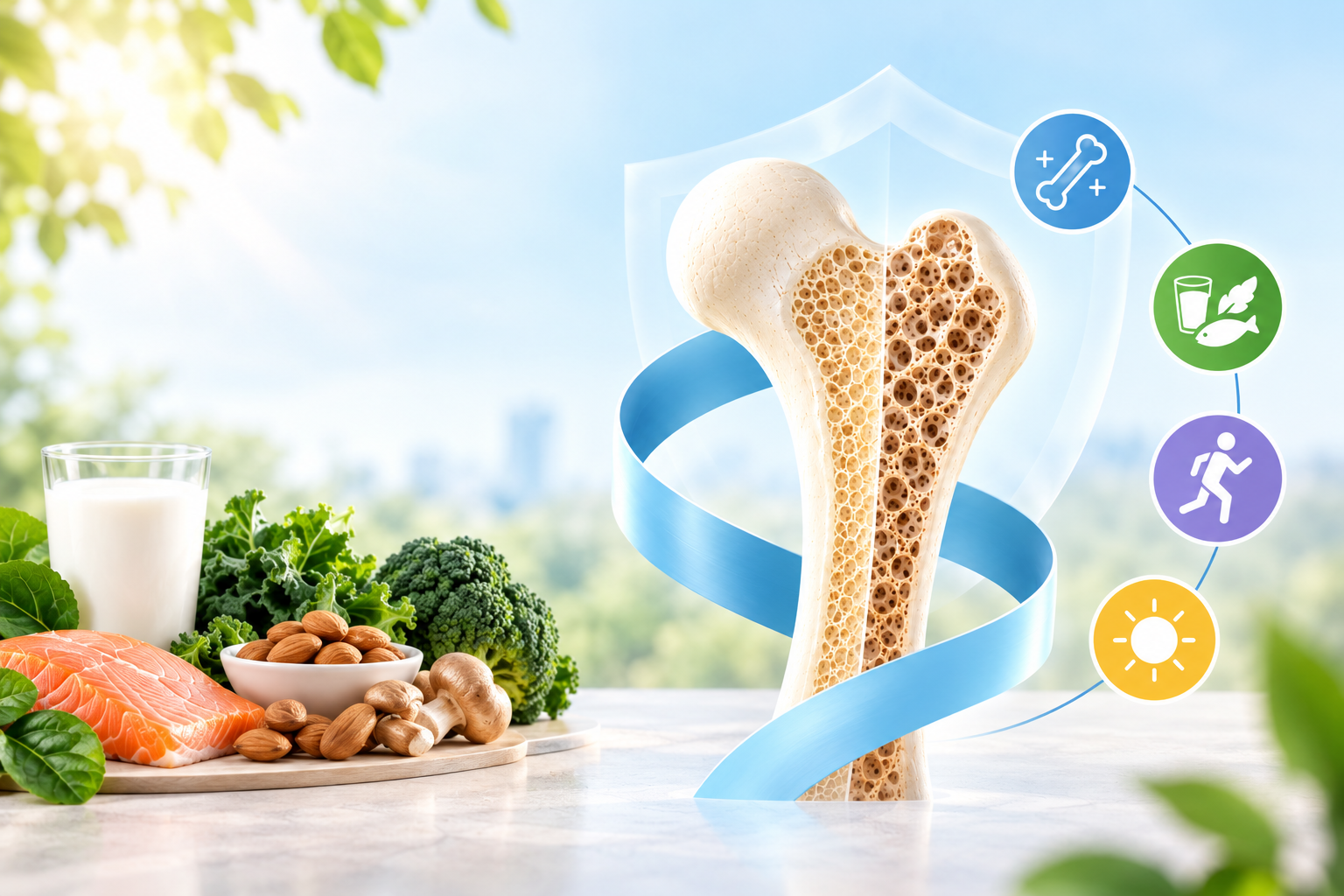
- Eat for bone health. Include calcium-rich foods such as milk, yoghurt, cheese, calcium-fortified alternatives, tofu prepared with calcium, and suitable leafy greens. Vitamin D supports calcium absorption, and supplementation may be appropriate for some individuals following professional advice.
- Keep moving. Walking, dancing, stair climbing, resistance exercises, and other suitable weight-bearing activities help support bone and muscle strength. Balance training can also help reduce the risk of falls.
- Avoid smoking and limit alcohol. Smoking and excessive alcohol consumption can adversely affect bone health.
- Make the home safer. Good lighting, secure handrails, non-slip flooring, and clear walkways can help reduce the likelihood of falls, particularly among older family members.
- Attend appropriate health assessments. Discuss osteoporosis screening with a healthcare professional if you have relevant risk factors or a history of fragility fractures.
“Maintaining bone health involves more than one measure. A balanced diet, regular exercise, good muscle strength, and fall prevention all contribute to healthier ageing. The important thing is to adopt habits that are appropriate for your age, physical condition, and individual health needs,” Dr. Theenesh stated.
Children, adults, and older people have different nutritional and exercise requirements. Those with diagnosed osteoporosis, existing fractures, balance difficulties, or other medical conditions should seek tailored guidance before beginning a new exercise programme.
When Lifestyle Changes Are Not Enough
Although healthy habits are essential, lifestyle measures alone may not be sufficient for everyone. People diagnosed with osteoporosis or assessed as having a high fracture risk may benefit from prescription medication to strengthen bones or reduce bone breakdown.
Treatment decisions should be individualised according to fracture history, bone density, age, other medical conditions, and overall fracture risk. For people who have already sustained a fragility fracture, timely assessment and appropriate treatment are particularly important.
It is equally important not to stop prescribed medication or begin high-dose calcium or vitamin D supplements without professional advice. Supplementation should be based on individual needs and potential risks.
“Lifestyle changes are an important part of osteoporosis prevention and care, but some patients also require medical treatment. The right approach depends on the individual's fracture risk, medical history, and overall condition. A proper assessment helps ensure that treatment is appropriate for that person,” Dr. Theenesh said.
A Specialist's Perspective: Protecting Mobility and Independence
Dr. Theenesh highlights the importance of bone health, fracture prevention, and maintaining mobility throughout life.
Osteoporosis is not simply about weak bones. Its consequences can extend to a person's ability to walk, work, care for family members, and remain independent. A fracture, particularly of the hip or spine, can have significant effects on daily functioning and recovery, especially among older adults.
Orthopaedic care plays an important role when fractures occur, while appropriate assessment of underlying bone health can help identify people who may be at risk of future fractures. Depending on the patient's condition, care may involve fracture management, rehabilitation, fall-prevention strategies, and referral for osteoporosis evaluation and treatment.
Robotic-assisted surgical techniques may have a role in selected orthopaedic procedures, depending on the indication and the patient's needs. However, osteoporosis prevention and management remain broader, multidisciplinary efforts involving primary care, specialist assessment, nutrition, physical activity, and appropriate medication.
“Maintaining mobility and independence is an important part of overall well-being, especially as we age. Preventing fractures wherever possible, identifying underlying bone-health problems, and ensuring appropriate follow-up care can all contribute to better long-term outcomes,” Dr. Theenesh noted.
For families, the priority is to recognise risks early, seek medical advice when warning signs appear, and support loved ones in maintaining safe movement and independence.
This World Osteoporosis Day, Take a Step Towards Stronger Bones
World Osteoporosis Day is a timely reminder that protecting bone health begins with informed choices and continues throughout life. Parents can set a positive example by making nutritious food, regular physical activity, and preventive healthcare part of the family's routine.
For older adults and those with osteoporosis risk factors, an appropriate medical assessment can help identify concerns before another fracture occurs. For anyone who has experienced a fracture after a minor fall or injury, it is worth asking whether an underlying bone-health problem should be investigated.
Medical Note
This feature is intended for general education and does not replace an individual medical consultation. Screening, investigations, exercise recommendations, supplements, and treatment should be tailored to each person's circumstances.
About the Author
Dr. Theenesh Theyvan is a Consultant Orthopaedic, Trauma, Foot & Ankle, Robotic Surgeon. His specialist field encompasses the assessment and management of musculoskeletal conditions and injuries, with a focus on preserving movement, supporting functional recovery, and helping patients maintain their quality of life. Through public health awareness initiatives such as World Osteoporosis Day, Dr. Theenesh highlights the importance of bone health, fracture prevention, timely medical assessment, and appropriate treatment. His professional focus underscores the value of informed healthcare decisions and a proactive approach to maintaining mobility and independence at every stage of life.
← Back
