


Bone & Joint Awareness Month: Are Your Bones Healthy? What You Need to Know at Every Age
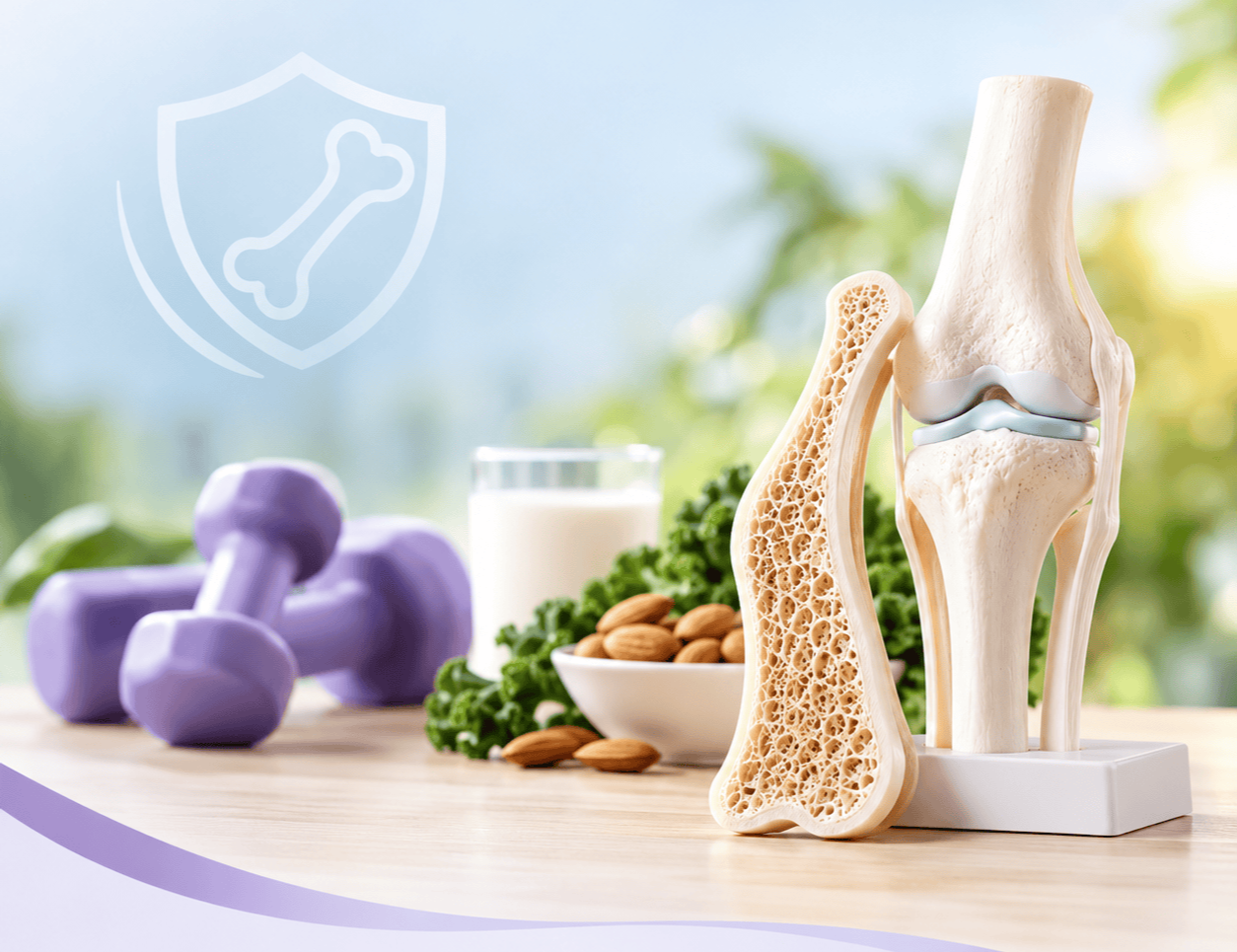
Bone health is a lifelong investment. From childhood growth and active family life to healthy ageing, the steps we take today can help protect our bones and joints for years to come.
Bone & Joint Awareness Month serves as an important reminder for families to understand the value of strong bones, recognise potential warning signs and adopt healthier habits at every stage of life.
For parents, this awareness begins at home. Encouraging children to eat nutritious meals, stay physically active and develop healthy habits early can help lay the foundation for stronger bones as they grow. For adults and older family members, maintaining bone strength, joint mobility and balance can help preserve independence and quality of life.
According to Dr. Ling Jian Loong, Consultant Orthopaedic & Trauma, Shoulder/Elbow & Sports Surgeon, Hip & Knee Robotic Surgeon, bone health should be viewed as a lifelong priority rather than a concern reserved for later years.
"Strong bones are built overtime. The habits we develop during childhood and adolescence, and continue throughout adulthood, play an important role in maintaining bone strength and mobility as we age."
Why Bone Health Matters at Every Age
Bone is living tissue that continually breaks down and rebuilds. During childhood and adolescence, the body builds bone rapidly, making these years particularly important for developing healthy bones. Bone mass generally reaches its peak in early adulthood, after which maintaining bone strength becomes increasingly important.
As we grow older, bone loss may gradually occur. In some people, this progresses to osteoporosis, a condition in which bones become less dense and more vulnerable to fractures. Importantly, osteoporosis often develops without obvious symptoms until a fracture occurs.
Children and teenagers need adequate nutrition and regular physical activity to support healthy skeletal development. Adults should focus on maintaining bone strength, muscle function and a healthy lifestyle, while older adults may benefit from additional attention to fracture prevention, balance and fall risks.
Dr. Ling explains:
"Bone health is not determined by age alone. Nutrition, physical activity, hormones, certain medical conditions and medications can all influence bone strength. Understanding individual risk factors helps us take the right steps towards prevention."
Although ageing is a natural process, declining bone strength and mobility should not simply be accepted as inevitable. Appropriate assessment and timely intervention can help people manage their risks and remain active for longer.
Nutrition: The Foundation of Strong Bones
A balanced diet is one of the simplest ways families can support healthy bones. Calcium is essential for bone structure, while vitamin D helps the body absorb calcium. Protein is also important for maintaining bones and muscles.
For parents, providing a variety of nutritious foods is often more practical than focusing on a single nutrient or supplement. Children who are selective eaters may need patient encouragement and repeated exposure to different foods.
"A healthy diet should come first wherever possible. Calcium, vitamin D and protein all have important roles, but taking more supplements does not automatically mean having stronger bones," says Dr. Ling.
Supplementation may be appropriate for people who cannot meet their nutritional needs through food or who have specific deficiencies or medical risk factors. However, supplements should be selected according to individual needs, age and medical advice. Excessive intake can cause harm, and vitamin D or calcium supplementation is not a substitute for evaluating an underlying bone condition.
Move More, Build Stronger Bones
Physical activity benefits bones, muscles, joints and balance. Weight-bearing activities encourage bones to respond to mechanical loading, while resistance exercises help strengthen muscles that support the skeleton.
For children, activities such as running, jumping, dancing, playground games and sports can help support bone development, provided they are appropriate for the child's age, abilities and health.
Adults can benefit from brisk walking, stair climbing, dancing and resistance training. Older adults should also incorporate suitable balance and strength exercises to help reduce the risk of falls.
However, being active does not mean pushing through pain or increasing exercise intensity too quickly. Children participating in organised sports should have adequate rest and recovery, particularly during periods of rapid growth.
Dr. Ling highlights the importance of a balanced approach to movement:
"Exercise is beneficial, but it should be appropriate for the person's age, fitness and physical condition. For those returning to sports after an injury, a gradual and structured return is important to reduce the risk of further injury."
Parents should seek medical assessment if a child experiences persistent pain, recurrent injuries, swelling or difficulty bearing weight. These symptoms should not automatically be attributed to growing pains or normal sporting activity.
Beyond Bones: Looking After Our Joints
Bone health and joint health are closety connected, but they are not the same. Bones provide the body's framework, while joints allow movement between bones. Cartilage, ligaments, tendons and muscles all contribute to joint function and stability.
Joint problems can arise from injuries, overuse, inflammatory conditions or age-related changes. Osteoarthritis, for example, affects the tissues within a joint and can cause pain, stiffness and reduced mobility. It is not simply a consequence of having weak bones.
Shoulder and elbow problems may interfere with everyday tasks such as lifting objects, reaching overhead or carrying schoolbags. Hip and knee conditions can affect walking, climbing stairs, playing sports and getting up from a chair.
Early assessment can help identify the cause of symptoms and guide appropriate treatment. Depending on the condition, management may include activity modification, physiotherapy, medication, rehabilitation or surgery.
"Pain that persists, limits daily activities or repeatedly returns deserves attention. The aim is not only to relieve symptoms but also to understand what is causing them and help patients regain safe, functional movement," explains Dr. Ling.
For parents, this means taking children's injuries seriously while avoiding unnecessary alarm. A minor strain may improve with appropriate rest, but severe pain, significant swelling, deformity, inability to use a limb or inability to bear weight warrants prompt medical evaluation.
When Should You Seek Medical Advice?
Not every ache requires specialist treatment, but certain symptoms should not be ignored.
Consider seeking medical advice if you or your child experience:
- Persistent or worsening bone or joint pain.
- Recurrent sports injuries or pain that repeatedly returns during activity.
- Swelling, reduced movement or difficulty performing normal daily tasks.
- A noticeable change in posture or unexplained loss of height, particularly in older adults.
- A fracture following a minor fall or relatively low-impact injury.
- Ongoing mobility difficulties, unsteadiness or repeated falls.
Severe pain following an injury, an obvious deformity, an open wound over a suspected fracture, a cold or numb limb, or an inability to bear weight after an injury requires urgent medical assessment.
An orthopaedic consultation may involve a clinical examination, a review of medical history and, where appropriate, imaging or other investigations. The treatment plan should be tailored to the diagnosis and the patient's needs.
Small Steps Today, Stronger Tomorrows
Adults can maintain healthy routines through regular physical activity, nutritious eating, avoidance of smoking and appropriate management of medical conditions that affect bone health. Older family members may benefit from reviewing their medications, addressing vision or balance problems, making their homes safer and discussing osteoporosis assessment when indicated.
Most importantly, bone and joint health should not be neglected simply because symptoms are absent. Prevention, early recognition and appropriate care can make a meaningful difference to long-term mobility and independence.
As Dr. Ling concludes:
"Healthy movement is an important part of living well. By looking after our bones, muscles and joints at every stage of life, we can give ourselves and our families a better foundation for staying active and independent."
This Bone & Joint Awareness Month, let us move beyond awareness and take practical steps towards stronger bones, healthier joints and a more active future.
Medical Note
This feature is intended for general education and does not replace an individual medical consultation. Screening, investigations, exercise recommendations, supplements, and treatment should be tailored to each person's circumstances.
About the Author
Dr. Ling Jian Loong is a Consultant Orthopaedic & Trauma, Shoulder/Elbow & Sports Surgeon, Hip & Knee Robotic Surgeon. His clinical scope encompasses orthopaedic and trauma care, shoulder and elbow conditions, sports-related injuries, and hip and knee conditions, including the use of robotic-assisted techniques in selected hip and knee surgical procedures. Through patient-centred assessment and individualised treatment planning, his role involves helping patients understand their musculoskeletal conditions and explore appropriate options for recovery, mobility and function. Bone & Joint Awareness Month provides an opportunity to highlight the importance of bone health, injury prevention and timely medical attention in supporting lifelong movement and wellbeing.
← Back
