



Hip Pain That Won't Go Away?
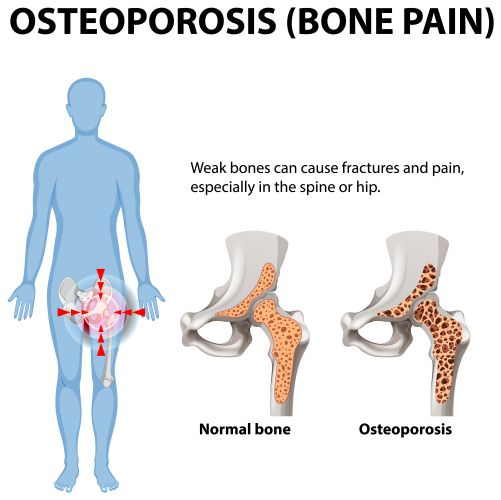
Is Your Hip Pain Affecting Your Everyday Life?
Do you experience pain in your hip when walking, climbing stairs, getting out of a chair, or even while resting? If so, you may be experiencing hip osteoarthritis, one of the most common causes of chronic hip pain in adults.
Hip osteoarthritis is a progressive condition that develops gradually over time. While many people dismiss it as a normal part of ageing, persistent hip pain should never be ignored. Early diagnosis and appropriate treatment can help relieve symptoms, preserve mobility, and significantly improve your quality of life.
"Many patients assume hip pain is simply something they have to live with as they grow older. The reality is that hip osteoarthritis is highly manageable, and early intervention often leads to better long-term outcomes," says Dr. Sarbhjit Singh, Consultant Arthroplasty, Trauma, Orthopaedic & Robotic Surgeon.
What Is Hip Osteoarthritis?
Hip osteoarthritis is a degenerative joint disease that occurs when the smooth cartilage covering the ends of the bones in the hip joint gradually wears away.
Healthy cartilage acts like a cushion, allowing the ball-and-socket joint of the hip to move smoothly without friction. As the cartilage becomes thinner and rougher, the bones begin to rub against each other, resulting in:
- Persistent hip pain
- Joint stiffness
- Reduced flexibility
- Difficulty walking
- Decreased range of motion
- Reduced quality of life
Without appropriate management, symptoms may progressively worse, making everyday activities increasingly difficult.
What Causes Hip Osteoarthritis?
Although ageing is the most common risk factor, hip osteoarthritis can develop for several reasons.
- Age-Related Wear and Tear
Over time, years of movement place stress on the hip joint, gradually wearing down its protective cartilage.
- Previous Hip Injuries
Old fractures, sports injuries, or trauma to the hip can accelerate cartilage degeneration and lead to earlier onset osteoarthritis.
- Abnormal Hip Development
Certain structural conditions increase stress on the joint, including:
- Hip dysplasia
- Femoroacetabular Impingement (FAI)
These conditions can cause uneven wear of the cartilage over many years.
- Family History and Genetics
People with close family members who have osteoarthritis may have a higher risk of developing the condition themselves.
- Excess Body Weight
Every additional kilogram of body weight increases the load placed on the hip joint during daily activities such as walking and climbing stairs.
"While we cannot change our genetics or age, maintaining a healthy weight and staying physically active can significantly reduce stress on the hip joint and help preserve mobility," explains Dr. Sarbhjit Singh.
Common Symptoms of Hip Osteoarthritis
Symptoms usually develop gradually and become more noticeable over time.
You may experience:
 Pain in the groin, hip, buttock, or thigh
 Morning stiffness
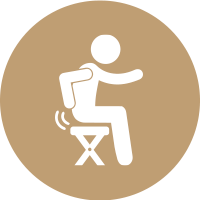 Pain after prolonged sitting
 Difficulty walking long distances
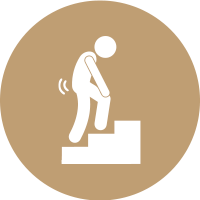 Pain while climbing stairs
 Reduced range of motion
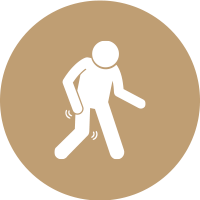 Limping
 Clicking or grinding sensations within the hip
 Pain that interferes with sleep in advanced stages
If these symptoms persist, it is advisable to consult an orthopaedic specialist for evaluation.
Non-Surgical Treatment for Hip Osteoarthritis
Many patients can successfully manage hip osteoarthritis without surgery, especially when diagnosed early.
- Patient Education
Understanding activities that worsen symptoms allows patients to modify their daily routines and reduce unnecessary strain on the hip.
- Physiotherapy
Targeted exercises strengthen the muscles surrounding the hip, improve flexibility, and enhance joint stability.
Benefits include:
- Better balance
- Improved mobility
- Reduced pain
- Enhanced muscle strength
- Weight Management
Losing excess weight decreases pressure on the hip joint and can significantly improve symptoms.
- Activity Modification
Patients are encouraged to switch from high-impact exercises such as running or jumping to lower-impact activities like:
- Cycling
- Swimming
- Water aerobics
- Walking on level ground
- Medications
Pain-relieving medications, including non-steroidal anti-inflammatory drugs (NSAIDs), may help reduce pain and inflammation during flare-ups.
"Conservative treatment is always our first approach whenever appropriate. Many patients experience significant improvements through physiotherapy, weight management, and lifestyle modifications," says Dr. Sarbhjit.
When Is Hip Replacement Surgery Needed?
Despite conservative treatment, some patients continue to experience severe pain and progressive loss of function.
Surgery may be recommended when:
 Pain occurs every day
 Walking becomes increasingly difficult
 Hip stiffness limits daily activities
 Sleep is affected by persistent pain
 Quality of life continues to decline despite non-surgical treatment
For these patients, Total Hip Replacement (THR) is considered one of the most successful and reliable orthopaedic procedures available today.
What Is Total Hip Replacement?
During a Total Hip Replacement, the damaged ball-and-socket joint is replaced with artificial implants designed to restore smooth movement and relieve pain.
Modern hip replacement surgery aims to:
 Relieve chronic pain
 Restore mobility
 Improve joint function
 Enable patients to return to everyday activities with greater comfort
"Hip replacement is not simply about replacing a joint, it is about restoring independence, confidence, and quality of life. Today's advanced surgical techniques allow many patients to return to the activities they enjoy with significantly less pain," says Dr. Sarbhjit.
Can Hip Osteoarthritis Be Prevented?
While ageing cannot be prevented, several lifestyle habits may help reduce the risk of developing severe osteoarthritis or slow its progression.
These include:
 Maintaining a healthy weight
 Staying physically active
 Strengthening the muscles around the hips
 Treating hip injuries promptly
 Seeking medical advice when hip pain persists
 Avoiding repetitive high-impact activities if symptoms develop
Early intervention often results in better outcomes and may delay the need for surgery.
Don't Ignore Persistent Hip Pain
Hip osteoarthritis is one of the leading causes of chronic hip pain, but it is also one of the most treatable.
Whether your symptoms are mild or severe, seeking early assessment allows for timely treatment that can preserve joint function and improve your quality of life.
About the Author
Dr. Sarbhjit Singh is a Consultant Arthroplasty, Trauma, Orthopaedic & Robotic Surgeon with expertise in the diagnosis and treatment of hip and knee arthritis, joint replacement surgery, trauma management, and robotic-assisted orthopaedic procedures. Dr. Sarbhjit is committed to delivering evidence-based, patient-centred care, helping individuals regain mobility, reduce pain, and return to an active lifestyle through personalised treatment plans and advanced surgical techniques.
← Back