


What Happens Inside the Brain During a Stroke?
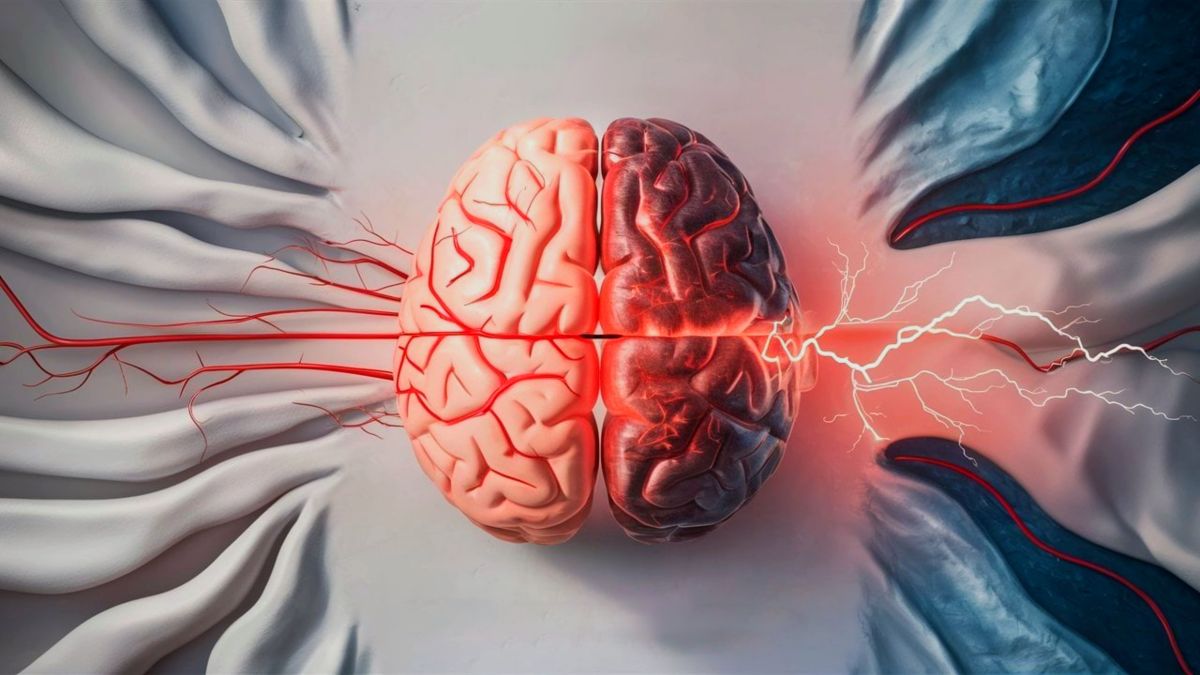
When people hear the word “stroke”, they often think of sudden paralysis, slurred speech, or a medical emergency requiring immediate attention. While these visible symptoms are alarming, few people truly understand the devastating events unfolding inside the brain during those critical moments.
Every minute matters. During an acute stroke, millions of brain cells can die if blood flow is not restored promptly, making rapid recognition and treatment essential. Within minutes of losing its blood supply, brain tissue is deprived of oxygen and glucose, causing nerve cells to lose their ability to function. As the injury progresses, the blood-brain barrier begins to break down, allowing fluid to leak into the surrounding brain tissue and resulting in swelling (cerebral oedema). This swelling increases pressure within the skull, further compromising blood flow and placing additional healthy brain tissue at risk.
The longer this interruption in blood supply persists, the greater the damage to brain functions such as movement, speech, memory, thinking, and behaviour, increasing the likelihood of permanent disability.
The Brain: An Organ That Never Rests
Although the brain accounts for only about 2% of the body’s weight, it consumes nearly 20% of the body’s oxygen and energy supply. Unlike most other organs, it has virtually no reserve of oxygen or glucose and depends on a continuous supply of oxygen-rich blood to function.
When blood flow is interrupted, brain cells are quickly deprived of oxygen and nutrients. Within minutes, they lose their ability to produce energy, causing normal brain function to fail. If blood flow is not restored promptly, irreversible brain cell death occurs.
Unlike many other cells in the body, neurons have only a limited ability to regenerate. This is why restoring blood flow as quickly as possible is essential to minimise permanent brain injury and disability.
What Happens During an Ischemic Stroke?
Approximately 85% of all strokes are Ischemic strokes, occurring when a blood vessel supplying the brain becomes blocked.
The blockage may result from:
 A blood clot forming within a narrowed artery
 A clot travelling from the heart or diseased arteries to the brain
 Fatty deposits (atherosclerotic plaques) narrowing the arteries
Imagine a major highway suddenly blocked by an accident. Just as traffic can no longer reach its destination, oxygen-rich blood cannot reach the brain tissue beyond the blockage.
Within minutes, brain cells are deprived of oxygen and glucose. Energy production stops, cellular functions begin to fail, toxic substances accumulate, and neurons start to die. Scientists estimate that up to two million brain cells may be lost every minute during an untreated stroke.
This is why neurologists often say, “Time is Brain.” Every minute of delay results in more irreversible brain injury, increasing the risk of permanent disability.
What Happens During a Haemorrhagic Stroke?
Not all strokes are caused by blocked arteries. About 15% of strokes are haemorrhagic (bleeding), occurring when a blood vessel ruptures and bleeds into or around the brain.
Common causes include:
 Uncontrolled high blood pressure
 Brain aneurysms
 Vascular malformations
 Blood-thinning medications in selected patients
Haemorrhagic stroke can be damaging in two ways:
- The bleeding directly injures nearby brain tissue
- The accumulating blood increases pressure inside the skull
“The brain sits within a closed space as the skull cannot expand. When bleeding occurs, there is very little room for expansion. The increasing pressure compresses surrounding healthy brain tissue, reduces blood flow to healthy brain tissue, creating additional injury beyond the initial bleeding. This can rapidly become life-threatening if not treated promptly,” explains Dr. Lau.
Why Do Stroke Symptoms Differ?
Stroke is an acute neurological disorder caused by a sudden interruption of blood flow to the brain or bleeding within the brain. Because different regions of the brain control different functions, the symptoms of a stroke vary depending on the area affected.
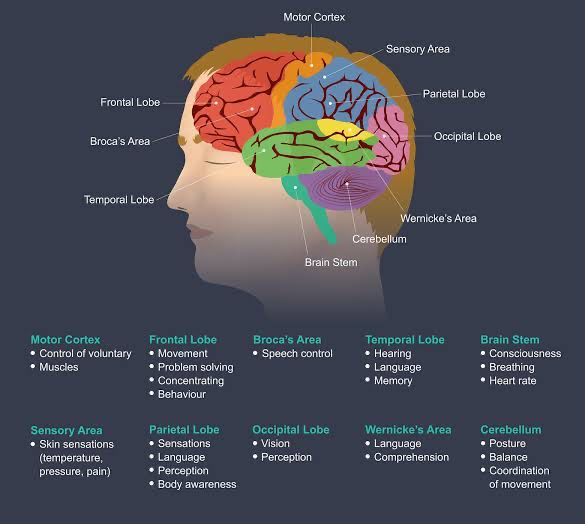
|
Frontal Lobe |
Temporal Lobe |
Occipital Lobe |
Cerebellum |
Brainstem |
|
Damage may cause:
|
Damage may affect:
|
Damage may result in:
|
Damage may cause:
|
Damage may affect:
|
Because each region performs specialised tasks, stroke symptoms vary widely depending on which area loses its blood supply.
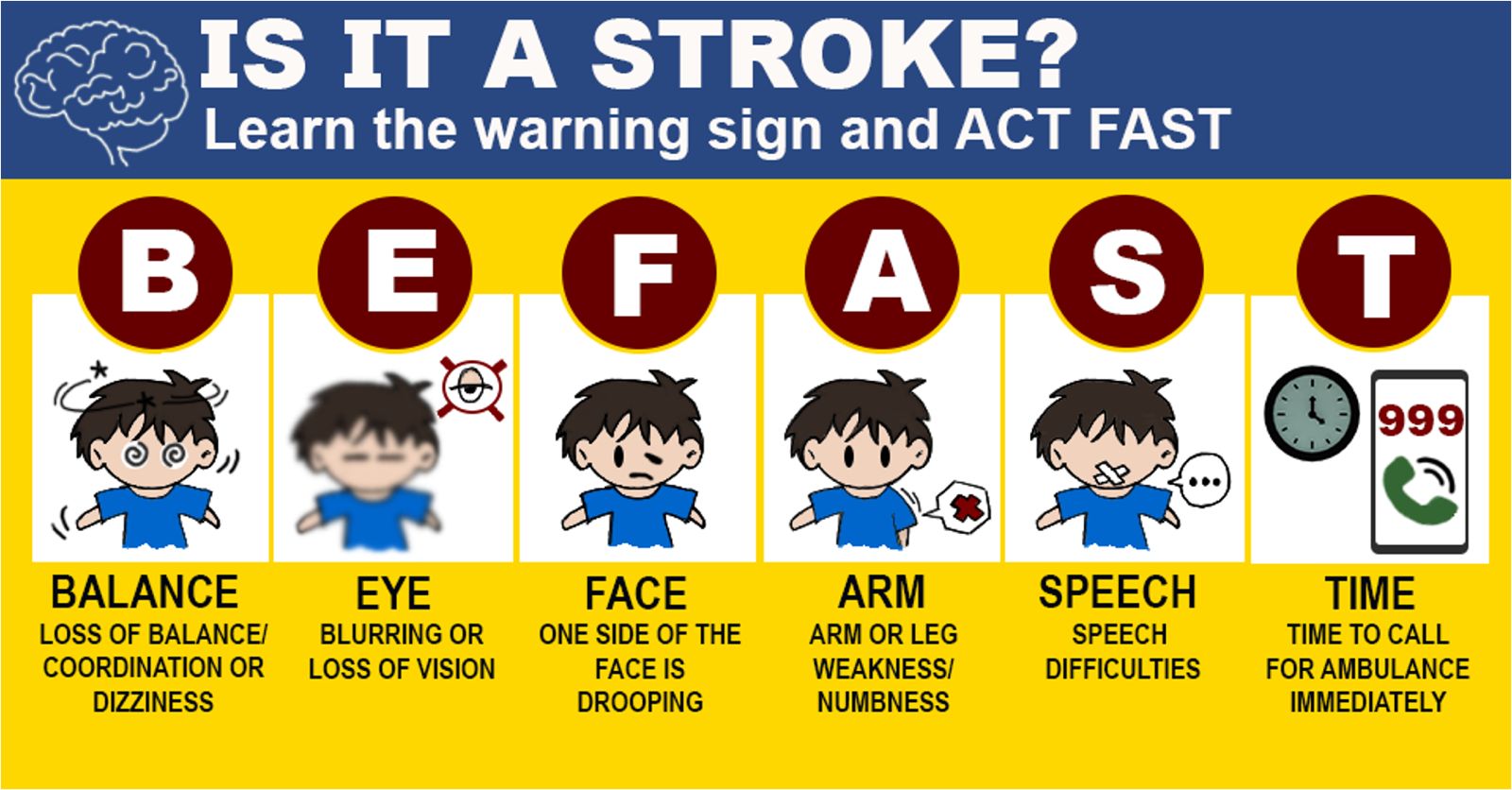
Remember BEFAST
The first and most important step in acute stroke treatment is recognising the warning signs early. Prompt recognition and immediate medical attention can save brain tissue, reduce disability, and save lives.
- B – Balance: Sudden loss of balance or coordination
- E – Eyes: Sudden vision loss or double vision
- F – Face: Facial drooping or uneven smile
- A – Arms: Sudden arm or leg weakness, usually on one side
- S – Speech: Slurred speech or difficulty speaking or understanding
- T – Time: Call emergency medical services immediately
Even if the symptoms improve or disappear within minutes, urgent medical evaluation is still essential. These symptoms may represent a transient ischaemic attack (TIA), often called a “mini-stroke,” which serves as an important warning sign of a future major stroke. Early assessment and treatment can significantly reduce the risk of another, potentially disabling, stroke.
Why Immediate Medical Attention Is Critical
One of the greatest challenges in stroke care is that many people delay seeking medical attention, hoping their symptoms will improve on their own. Unfortunately, every minute of delay results in the loss of more brain cells and reduces the chance of recovery.
“A stroke is a true medical emergency. The sooner treatment begins, the greater the chance of saving brain tissue and reducing long-term disability. Delaying treatment may mean losing opportunities that cannot be recovered later,” emphasises Dr. Lau.
Modern stroke treatments, including intravenous thrombolysis (clot-dissolving medication) and mechanical thrombectomy (clot retrieval), can restore blood flow and significantly improve outcomes in selected patients. However, these treatments are highly time-dependent, making rapid recognition and immediate transfer to a stroke-ready hospital essential.
Can the Brain Repair Itself?
One of the most encouraging aspects of stroke recovery is the brain's remarkable ability to adapt.
This ability, known as neuroplasticity, allows surviving brain cells to reorganise and form new connections after injury. Through rehabilitation and repeated practice, healthy areas of the brain can sometimes develop new pathways that help patients regain lost functions.
Recovery may continue for months or even years after a stroke, especially when rehabilitation begins early.
Successful recovery often involves:
- Early stroke treatment
- Physiotherapy
- Occupational therapy
- Speech and language therapy
- Cognitive rehabilitation
- Strong family and caregiver support
The earlier rehabilitation begins, the greater the opportunity for the brain to recover.
Final Message
Acute stroke is treatable, but time is critical. Every minute of delay results in the loss of millions of neurons; time lost is brain lost. Stroke is a race against time occurring deep within the brain, where prompt treatment can mean the difference between recovery and lifelong disability.
Recognising the warning signs early, seeking immediate medical attention, and receiving timely treatment can preserve brain function, reduce disability, and save lives. Remember, Time is Brain – act BEFAST when stroke strikes.
About the Author
Dr. Lau Kar Foo is a Consultant Neurologist with a special interest in stroke care, acute stroke treatment, and neurological disorders. He is committed to improving public awareness of stroke prevention, early recognition, and timely treatment, with the goal of reducing disability and improving outcomes for patients affected by stroke.
← Back