
LINAC (Truebeam 3.0)

  • Home
  • /
  • Our Services
  • /
  • Facilities & Services
  • / Technology /
  • LINAC (Truebeam 3.0)

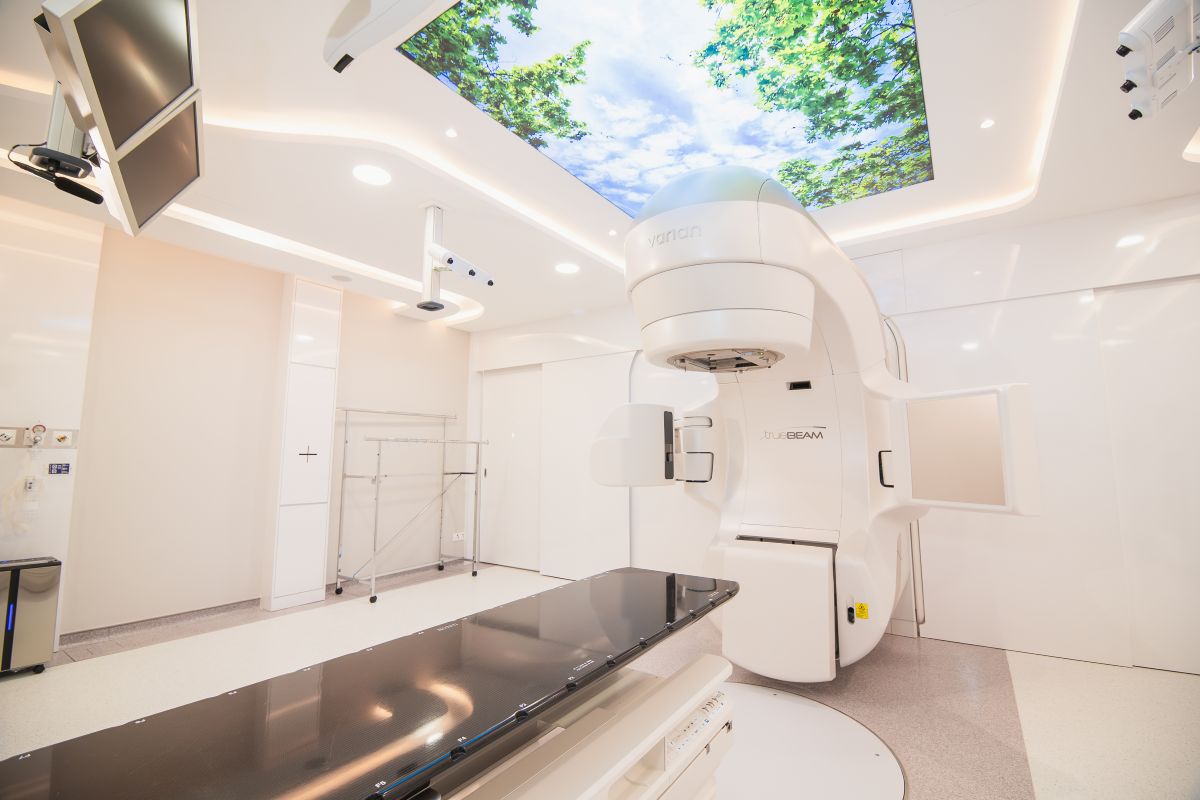
TrueBeam™ 3.0: State-of-the-art Precision Radiotherapy for Modern Cancer Care

Our TrueBeam 3.0 system represents the next generation of image-guided radiotherapy designed to target tumours with exceptional accuracy while protecting surrounding healthy tissue.

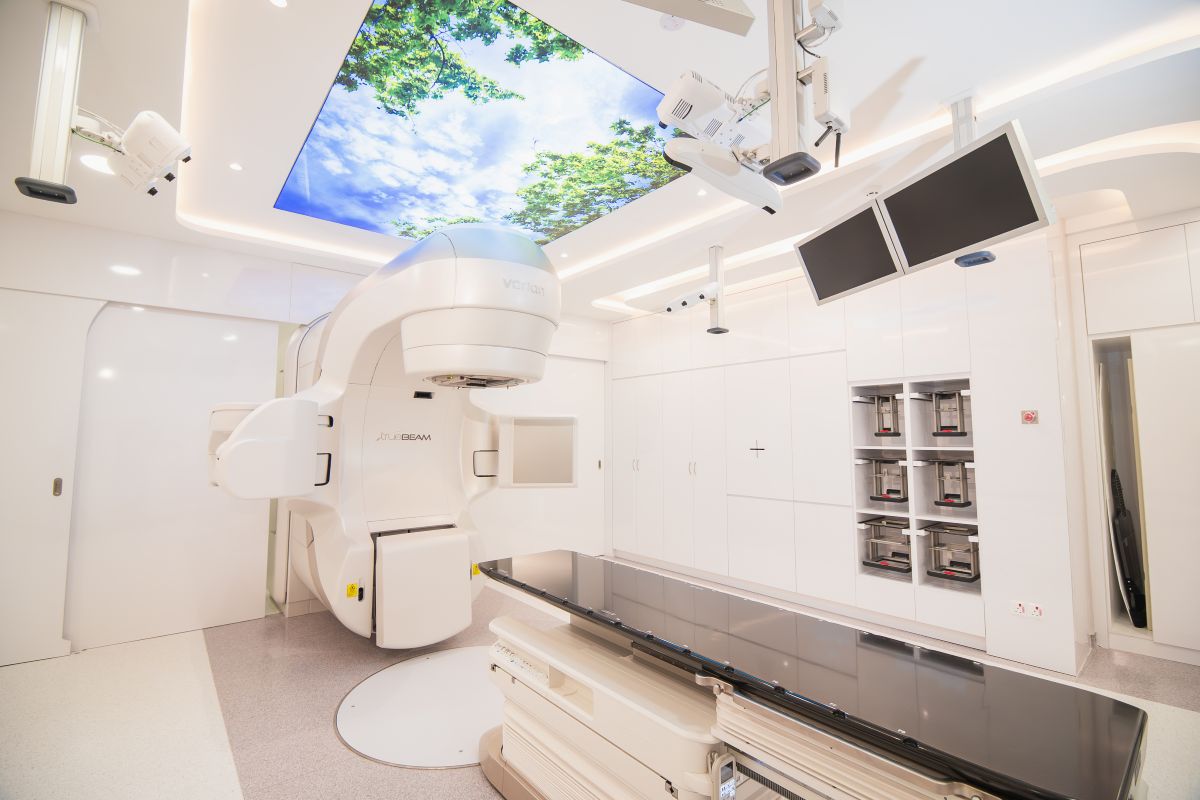
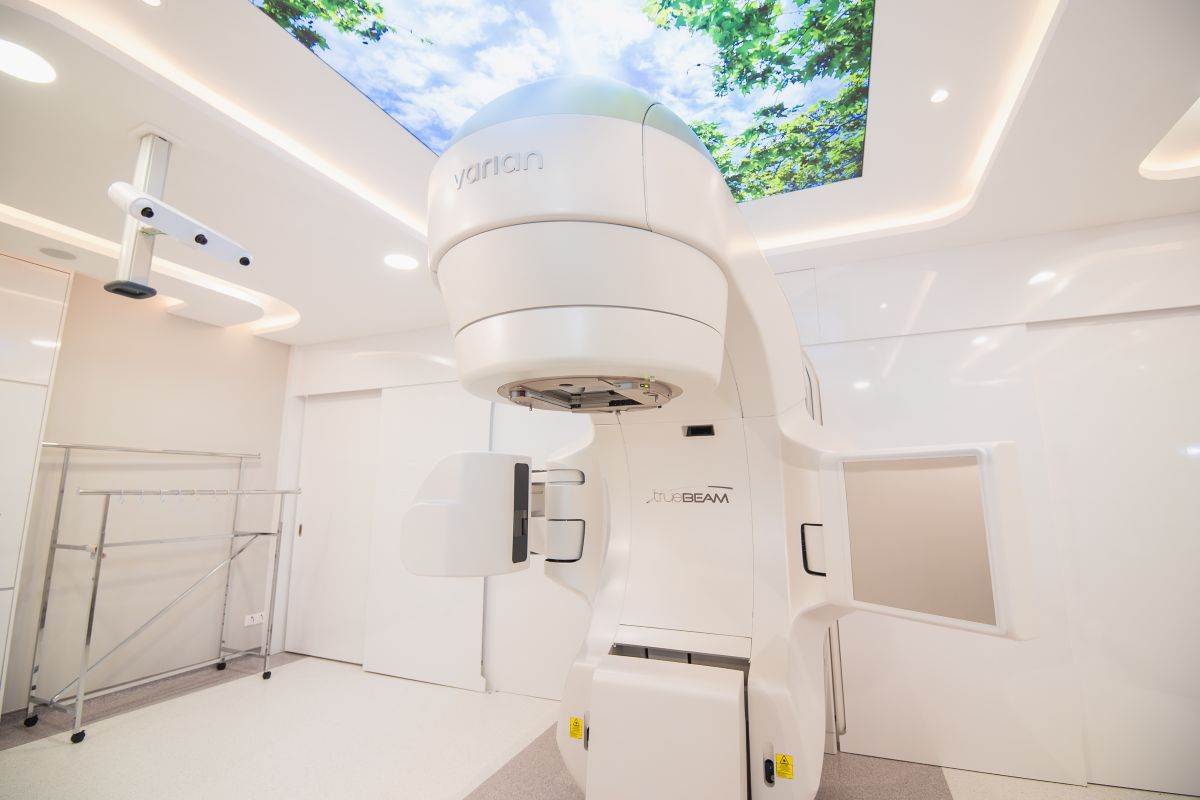
TrueBeam™ 3.0 is an advanced linear accelerator that delivers highly precise radiation therapy for a wide range of cancers. It integrates sophisticated imaging, motion management, and treatment delivery technologies into one powerful platform enabling faster, safer, and more effective treatment.

TrueBeam™ 3.0 treatments are non-invasive and painless. The system’s streamlined design allows for shorter treatment times, reducing anxiety and improving overall patient experience.
Key Benefits for Patients


TrueBeam™ 3.0 uses real-time imaging and advanced beam shaping to deliver radiation directly to the tumour with sub-millimetre accuracy minimising exposure to healthy tissues.

High-dose-rate capability allows certain treatments to be completed in just minutes, improving patient comfort and convenience.

Image-guided radiotherapy (IGRT) verifies tumour positioning before and during treatment, ensuring accurate dose delivery every time.

Advanced motion tracking helps treat tumours that move with breathing, such as lung or liver cancers, improving precision and outcomes.

Supports cutting-edge approaches including:

  • Intensity-Modulated Radiotherapy (IMRT)
    A highly precise form of radiation therapy that modulates (adjusts) the intensity of radiation beams to match the exact shape of the tumour. This allows to target cancer cells while minimising damage to surrounding healthy tissue.
  • Volumetric Modulated Arc Therapy (VMAT)
    An advanced technique that delivers radiation continuously as the machine rotates around the patient. VMAT allows treatment to be completed faster, with excellent precision and dose control.
  • Stereotactic Radiotherapy (SRT)
    A non-surgical, high-precision treatment that delivers multiple small beams from different angles that converge on the tumour, allowing a high dose at the tumour site while sparing nearby healthy tissue.
  • Stereotactic Body Radiotherapy (SBRT)
    A specialised form of radiotherapy that delivers highly focused, high-dose radiation to tumours outside the brain, such as in the lung, liver, or spine usually completed in fewer treatment sessions compared to conventional radiotherapy.

These techniques enable high-dose treatment with fewer sessions in selected cases.

At Sunway Medical Centre Ipoh, our multidisciplinary team of specialists combines advanced technology like TrueBeam 3.0 with personalised treatment planning ensuring every patient receives care tailored to their specific diagnosis and needs. With advanced imaging, real-time accuracy, and proven radiotherapy innovation, TrueBeam™ 3.0 empowers us to deliver cancer treatment with confidence, safety, and precision. 

Preparing for Your Radiotherapy Treatment

Below is what you can expect before, during, and after your radiotherapy treatment.

Before Radiotherapy

1. Consultation & Treatment Planning

You will meet your oncologist to discuss:

  • Your diagnosis and treatment goals
  • Number of sessions required
  • Possible side effects

A CT simulation scan will be performed to map the exact treatment area. Small skin markings or temporary tattoos may be placed to ensure accurate positioning for each session.

2. Preparation Tips

  • Wear comfortable, loose-fitting clothing
  • Avoid applying lotions, perfumes, or powders on the treatment area unless approved
  • Inform your doctor if you are pregnant, breastfeeding, or taking any supplements

Your care team will provide personalised instructions based on your treatment site.

During Radiotherapy

What Happens During Each Session?

  • You will lie on a treatment table in a specific position.
  • The radiotherapy machine will move around you but will not touch you.
  • The procedure is painless and each session typically lasts 10 – 20 minutes.

It is important to remain still while the treatment is delivered. Our radiotherapy team will monitor you at all times.

Radiotherapy is usually given 5 days a week for several weeks, depending on your treatment plan.

After Radiotherapy

1. Immediate Aftercare

You can usually go home immediately after each session and resume most normal activities.

2. Follow-Up Appointments

Regular follow-up visits will be scheduled to:

  • Monitor your recovery
  • Assess treatment response
  • Address any concerns

Radiotherapy is carefully planned to target cancer cells while protecting surrounding healthy tissue. Our multidisciplinary team of specialists at Sunway Medical Centre Ipoh is here to support you at every step of your treatment journey.

If you have any questions, please speak with our care team, we are here to help at 05-871 1458 (Office hours).

Frequently Asked Questions (FAQ) – Radiotherapy


TrueBeam™ can treat a wide range of cancers, including:

  • Brain tumours
  • Breast cancer
  • Lung cancer
  • Prostate cancer
  • Liver tumours
  • Spine and other complex tumour sites

Your oncologist will determine if it is suitable for your condition.

Yes. TrueBeam™ uses image-guided radiotherapy (IGRT) to verify tumour position before and during treatment, ensuring precise and safe dose delivery.

No. Radiotherapy is painless. You will not feel the radiation during treatment. The machine does not touch you, and each session is similar to having an X-ray.

The number of sessions varies depending on:

  • The type of cancer
  • Tumour location and size
  • Your overall treatment plan
  • Whether techniques like SBRT or SRT are used (which may require fewer sessions)

Your personalised treatment plan will be discussed during consultation.

No. TrueBeam™ external beam radiotherapy does not make you radioactive. It is safe to be around family members and children after your session.

Many patients can resume daily activities, depending on how they feel. Fatigue is common, so you may need to adjust your schedule. Discuss your lifestyle with your doctor for personalised advice.

You will have scheduled follow-up appointments to monitor recovery and evaluate treatment response. Side effects typically improve gradually after treatment ends.

Your Health Matters,

Schedule a Visit with Our Experts.

Make Appointment Now
whatsapp